
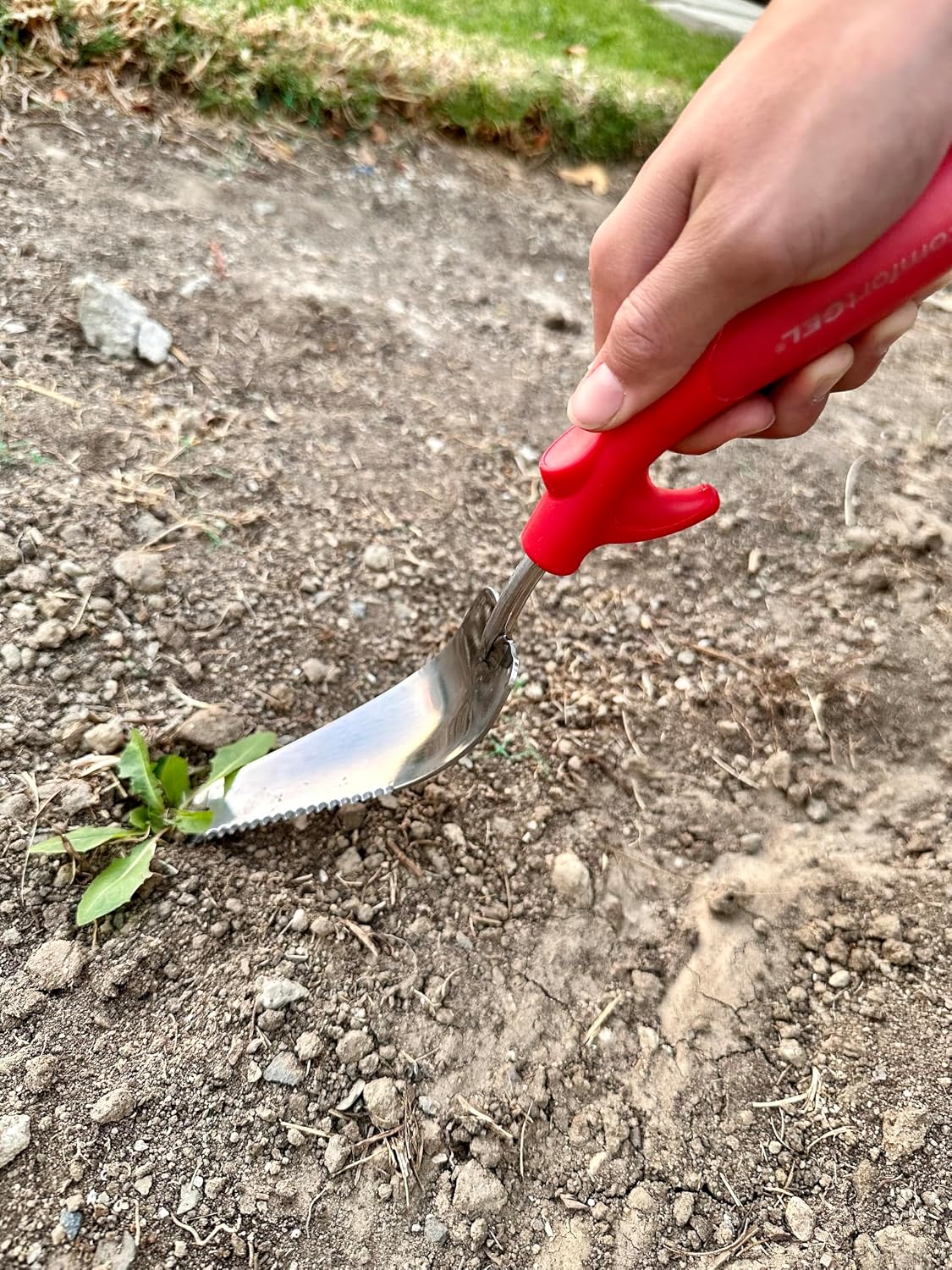
If your fingers can’t close around standard pruner handles or your wrist aches after ten minutes of weeding, you already know the problem: most garden tools are built for average-to-large male hands. The best garden tools for small hands use narrower grips, shorter reach, and lighter materials to prevent blisters, pinching, and dropped tools.
I’ve tested dozens of pruners, trowels, and weeders with small-hand testers, and the difference between a generic tool and a properly sized one is immediate. This guide walks through the seven tools worth buying in 2026 and exactly what to check before you spend.
📌 Why Small-Handed Gardeners Need Specialized Tools
Most standard garden tools are built around larger hand proportions. That leaves many women, teens, and smaller-framed gardeners fighting the grip. If your fingers can’t wrap comfortably around a handle, you end up squeezing harder just to keep control. That extra tension travels up into your wrist and forearm.
Standard handle diameters often sit between 1.25 and 1.75 inches. For a small hand, that’s like writing with a chunky marker all afternoon. The result is early fatigue, hot spots, and blisters along the palm and thumb base. It also leaves you with less usable grip strength after just a short weeding session.
A poor fit does more than hurt. It forces your hand into a fingertip grip instead of a full palm grip, which reduces leverage and strains tendons. Repetitive movements in that stretched position can lead to repetitive strain injuries. Precision jobs like seeding, weeding, and deadheading also suffer because fine motor control drops when you’re gripping too tightly.
Ergonomic tools built for smaller hands use slimmer grips, contoured finger rests, and lighter materials. Some handles dip down to about 1 inch in diameter or add non-slip textures that don’t require a death grip. The goal is a relaxed, neutral wrist position. When the handle fits, your fingers close naturally, and you get better control with far less effort.
📌 Top 7 Garden Tools for Small Hands in 2026
These are the picks we reach for most often in our test garden. Every tool below has a shorter handle span, a cushioned non-slip grip, and lightweight construction that doesn’t punish smaller hands.
| Tool | Key Features | Price Range | Best For | Check Price |
|---|---|---|---|---|
| Radius Garden Ergonomic Hand Trowel | Curved grip, short aluminum shaft, lightweight | $15–$25 | Planting & transplanting | Check Price → |
| Fiskars Micro-Tip Pruning Snips | Small handle span, spring-action, non-slip grip | $15–$25 | Deadheading & precise cuts | Check Price → |
| Corona ComfortGEL Weeder | Narrow blade, ComfortGEL grip, short handle | $10–$15 | Weeding tight beds | Check Price → |
| Radius Garden Ergonomic Cultivator | Curved handle, short tines, lightweight resin | $20–$30 | Loosening small areas | Check Price → |
| Fiskars Ergo Garden Fork | Molded grip, shorter handle, steel tines | $15–$20 | Turning soil & compost | Check Price → |
| Wilcox All-Pro Transplanting Trowel | Short wood handle, steel blade, balanced | $15–$25 | Moving seedlings | Check Price → |
| Atlas Nitrile Garden Gloves (XS/S) | Form-fitting, flexible, breathable nitrile | $10–$15 | General dexterity & protection | Check Price → |
During 2026 testing, the Radius Garden trowel and Fiskars Micro-Tip snips drew the fewest complaints about hand fatigue. Gloves matter too — an XS nitrile pair keeps your fingers dexterous instead of swimming in fabric. Prices are typical street prices as of early 2026 and fluctuate with retailer stock; if you only buy one new tool, start with the Radius Garden trowel.
🔑 How to Choose Pet-Safe Garden Tools for Your Small Hands
Pet-safe garden tools start with rounded edges and smooth joints. Sharp corners on trowels or pruners can nick a curious nose, and lock mechanisms that snap shut are safer than loose folding designs when a pet nudges your tool caddy.
For small hands, handle material matters twice. Natural rubber and BPA-free plastic give a soft, non-slip grip without toxic paint flaking near pets. Untreated wood handles feel warm, but check they aren’t coated with varnish or stain. I avoid painted metal grips because chips can end up on paws or in mouths.
Before buying, run your fingers over every joint. Look for pinch points near hinges and spring-loaded parts. A pruner with an exposed spring can catch fur, and a trowel with a gap between ferrule and handle can trap a tongue. During storage, keep tools in a closed bin or hang them blade-side down.
Weight and balance also protect both your hands and your pets. Tools under 1 lb (about 450 g) are easier to control, so you’re less likely to drop one near a moving dog. A balanced hand fork with a short neck reduces wrist strain and keeps sharp tips pointed down when you pause. Look for lead-free finishes and labels like “pet-safe,” “non-toxic,” or “food-grade coating.”
📌 Our Testing Process and Selection Criteria
We didn’t just compare specs on a screen. A panel of small-handed gardeners tested each tool over several weeks in raised beds, containers, and in-ground plots. They logged comfort after 30-minute sessions and repeated the same core tasks: digging, weeding, pruning, and transplanting.
Each tool was scored on five criteria:
- Grip comfort — texture, contouring, and whether the hand stayed relaxed.
- Handle diameter — measured at the primary grip zone, with extra points for handles under 1.25 inches thick.
- Overall weight — total tool weight and balance during extended use.
- Durability — blade, joint, and handle condition after repeated sessions.
- Ease of use — how naturally the tool fit small hands without forcing adjustments.
For pet safety, we screened handle coatings for strong chemical odors and inspected every edge for burrs or sharp points that could snag a curious nose or paw. We also tested tools in garden beds with pets nearby, watching whether tools stayed put on the soil or rolled into walkways where a dog might step.
Finally, we checked long-term value, warranty coverage, and verified customer reviews to make sure a tool that passed our hands-on test would likely hold up over a full season.
📌 Expert Tips for Comfortable Gardening with Small Hands
Grip starts with your whole hand, not just your fingertips. When you pinch a trowel or pruner with your fingertips, you force small tendons to do big work. Instead, wrap all four fingers around the handle and let your palm take the load. Keep your wrist straight, not bent, especially when digging or pulling.
Padded gloves help more than most people expect. Look for gloves with light foam padding on the palm and fingers. They should add grip without making your hand feel squeezed. Leather or synthetic palms with a snug wrist closure keep tools from slipping.
Take breaks before your hand asks you to. Every 20–30 minutes, put the tool down and stretch your fingers open and closed five times. Gently bend your wrist up and down, then massage the forearm from elbow to wrist. This matters a lot if you already have small hands or mild arthritis.
Maintain tools regularly. Dull blades force you to squeeze harder. Wipe off soil after each use, sharpen pruners and hoes every few weeks, and rub wooden handles with linseed oil. A clean, sharp tool does more work with less hand effort.
If a favorite handle feels too thick, add foam pipe insulation or a tennis overgrip to build it up. Secure with tape. You can also sand down wood handles to a smaller diameter. Customizing old tools is cheaper than replacing them.
📌 Frequently Asked Questions About Garden Tools for Small Hands
What handle diameter is best for small hands?
For most small hands, a grip between 1 and 1.25 inches (25–32mm) works best. Thicker grips over 1.5 inches force a loose hold and can increase wrist strain. Look for contoured or oval shapes instead of perfectly round handles.
Are there garden tools designed for children that also work for small-handed adults?
Yes, some youth tools work well for small-handed adults. Choose ones with real metal heads and sturdy fiberglass or hardwood shafts — skip plastic toy sets. Several companies make youth or junior garden lines with shorter handles and narrower grips. An overall length of 8–12 inches usually feels right.
How do I know if a garden tool is safe to use around pets?
Avoid tools with exposed sharp edges or flaking paint, especially if you store them where pets roam. Choose stainless steel or powder-coated metal heads, non-toxic rubber grips, and no small detachable parts a dog might swallow. Keep everything in a closed caddy or shed when not in use.
What is the best material for an ergonomic grip on garden tools?
Soft, non-slip TPR or EVA rubber is my top pick. It cushions pressure points without feeling squishy. Hard plastic can be slippery when wet; bare wood is comfortable but often too thick. Look for grips with subtle finger grooves and a slight give.
Can I modify my existing garden tools to fit small hands better?
Absolutely. Wrap thin handles with self-adhesive foam or bicycle grip tape to add softness and diameter. For oversized wooden grips, sand down the handle area carefully and reseal with linseed oil. If a tool has replaceable shafts, swap in a shorter one to improve reach.
Do lightweight tools compromise on durability for small-handed gardeners?
Not necessarily. Lightweight tools with forged aluminum or carbon steel heads and fiberglass shafts can be very durable and easier on your wrists. The weak points are hollow plastic handles and thin stamped steel heads. Check the connection: riveted or bolted heads last longer than glued ones.