
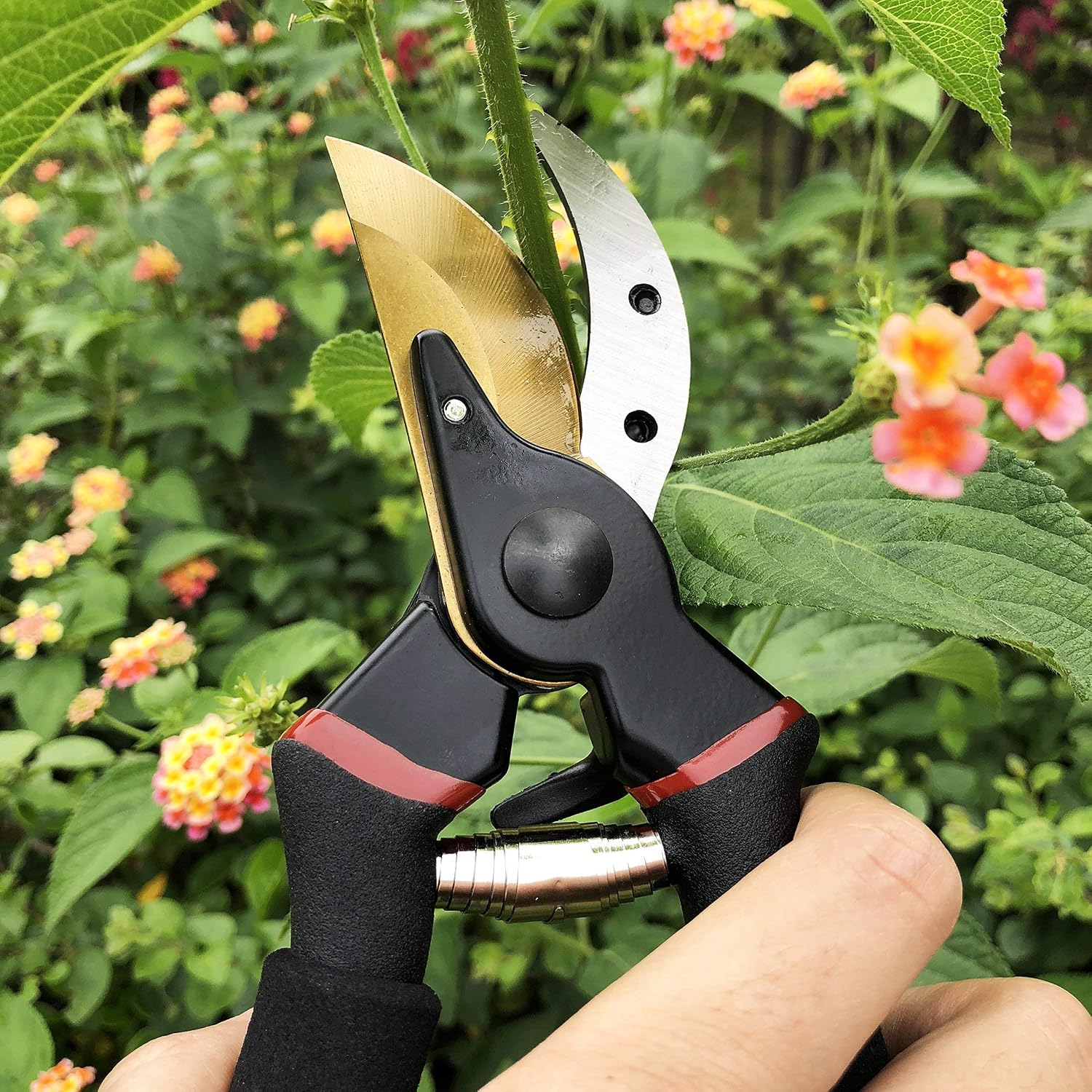
Learning how to clean pruning shears safely around pets matters more than most gardeners realize. Sap, rust, and plant residue build up fast, and the usual disinfectants many people reach for can be toxic if a dog or cat licks the blades or walks through a spill.
I clean my own shears after every heavy pruning session, and I’ve learned to avoid bleach and strong chemical dips entirely. The method below uses pet-safe cleaning solutions, simple tools, and a storage routine that keeps rust away. Here’s exactly how I do it, step by step.
📌 Why Cleaning Pruning Shears Matters for Pet Owners
Sap, dirt, and tiny bits of plant tissue build up on blades after just a few cuts. That sticky residue is a breeding ground for bacteria and fungi. When you move from a diseased rose cane to a healthy shrub, the same shears can carry pathogens like fire blight, botrytis, and powdery mildew right into the fresh wound.
Pet owners face an extra risk. Dogs and cats often investigate garden tools left on the ground, and a quick chew or lick can expose them to whatever is caked on the blades. If you’ve pruned toxic plants like oleander or foxglove, that residue may linger on the tool even after the plant itself is gone.
Clean tools also stop cross-contamination in pet-friendly yards. You might trim an infected tomato sucker, then prune the basil your dog likes to nose through. Disinfecting between cuts or at least between plants reduces the chance of spreading soil-borne problems like fusarium wilt or bacterial leaf spot across your garden.
Regular cleaning protects the blades themselves. Dried sap is slightly acidic and can pit metal over time. Wiping blades after each session keeps the edge sharp longer, so you make cleaner cuts that heal faster and invite fewer pests—a win for both your plants and the pets that roam nearby.
📌 Tools and Pet-Safe Cleaning Solutions You’ll Need
You don’t need a specialty kit. Most of what you need is already in your kitchen or medicine cabinet.
Start with the basics:
- Soft cloth – for wiping down blades and drying after cleaning.
- Stiff-bristle brush – an old toothbrush works well for scrubbing sap and debris out of the pivot area.
- Warm water and mild dish soap – use a plain, unscented formula if you can.
- Clean towel – for thoroughly drying metal parts before storage.
For disinfection, keep these pet-safe options on hand:
- 70% isopropyl alcohol – evaporates quickly and leaves no lingering residue. Soak blades for 5–10 minutes or wipe with a soaked cloth.
- 3% hydrogen peroxide – a solid alternative for general sanitizing. Rinse after use.
- White vinegar – mild and safe. A 50/50 vinegar-water mix works for light cleaning, though it’s less aggressive against heavy pathogens.
Optional helpers: baking soda makes a paste for stubborn sap. Mineral oil or camellia oil protects steel after drying.
Avoid bleach, phenol-based cleaners (check labels for “phenol” or “phenolic”), and harsh chemical dips. These can leave toxic residue on blades and nearby surfaces, which is risky for pets.
📌 Step-by-Step Guide to Cleaning Pruning Shears
Set up a shallow work area with a towel under the shears. This catches small screws, springs, and rinse water — and keeps blades from rolling toward your hands or any curious pet nearby.
- Disassemble the shears if the pivot screw comes apart. This lets you reach the joint, spring, and hidden plant gunk. Keep hardware in a small dish.
- Soak and scrub sticky sap. Fill a bowl with warm water and a few drops of mild dish soap. Use a stiff-bristle brush or old toothbrush to loosen resin and dirt on blades, handles, and spring.
- Work the crevices carefully. Grip the blade from the spine, not the edge. Scrub along the pivot area and cutting edge to lift stubborn debris without slicing your fingers.
- Rinse and dry fully. Run clean water over every part, then dry with a lint-free towel. Pay extra attention to the pivot hole and spring coil — trapped moisture is the fastest route to rust.
- Apply a thin coat of mineral oil. Wipe blades and moving parts with a lightly oiled cloth before reassembling. Mineral oil is food-safe and less risky around pets than petroleum-based lubricants.
Wipe off any excess oil so the shears don’t feel slick during your next pruning session. Clean shears cut cleaner, and that’s safer for both your plants and any pet sniffing around your work area.
📌 Disinfecting Pruning Shears Without Harming Pets
For a pet-safe disinfecting step, reach for 70% isopropyl alcohol or 3% hydrogen peroxide. Both evaporate quickly and don’t leave the kind of residue that harms dogs or cats.
Apply one with a clean cloth, cotton pad, or use a shallow soak for heavily soiled blades. Let the disinfectant sit on the metal for 5–10 minutes — that contact time is what actually kills pathogens like bacteria and fungal spores.
White vinegar is the gentler natural option. It works fine for light sanitation and everyday sap removal, but it’s less effective against some plant pathogens, so I treat it as a maintenance wipe rather than a full disinfectant after cutting diseased plants.
Steer clear of these, even in tiny residues:
- Bleach
- Pine oil
- Phenol-based cleaners
Each one is toxic to dogs and cats if ingested. After disinfecting, rinse the blades with plain water and dry them thoroughly. That final rinse matters because pets often lick or chew garden tools left on the ground, and you don’t want them ingesting even a pet-safe disinfectant.
📌 Preventing Rust and Storing Shears Safely
Moisture is the fastest way to ruin a good pair of pruning shears. Even a few droplets left in the pivot joint or along the blade edge can start surface rust within a day, especially in humid garages. After washing and disinfecting, dry every metal part with a clean microfiber cloth, then open and close the shears several times to force water out of the joint.
Once they’re bone dry, apply a thin coat of mineral oil, camellia oil, or food-grade protectant to the blades and pivot. This barrier keeps oxygen away from the steel so rust can’t form. I prefer camellia oil because it’s plant-based, safe around pets, and doesn’t leave a sticky residue.
- Store shears indoors in a dry spot—a utility room or cabinet works far better than an unsealed garden shed corner.
- Hang them on a tool rack or magnetic strip instead of tossing them in a bucket where blades knock together.
- Use a blade cover or leather sheath if you must store them in a toolbox or drawer.
- Keep them out of pet reach; this reduces both rust risk from bumped water bowls and the chance your dog chews the handles or cuts its mouth.
I keep mine on a high pegboard hook, wiped and oiled, so they stay dry and my curious retriever can’t get to them.
📌 How Often Should You Clean Pruning Shears?
At minimum, give your shears a quick wipe-down after every use. Sap and plant moisture left on the blades for even a few hours can start to dull the edge and invite rust. A dry cloth or a few seconds with a soft rag soaked in warm soapy water usually does the job.
Step up to a deeper clean before moving between plants, especially if you’ve been cutting anything that looks diseased, moldy, or pest-damaged. A quick disinfectant dip or alcohol wipe at that moment helps stop pathogens from hitching a ride to your next shrub or vegetable bed.
During heavy pruning seasons, plan for a weekly or biweekly deep clean. That means taking the shears apart when possible, scrubbing the pivot area, removing caked-on sap, and oiling the joint. In the off-season, a monthly rust inspection and light oiling keeps the metal protected while stored.
Don’t wait for the tool to feel gummed up. Watch for these signs your shears need immediate cleaning:
- Blades feel sticky or tacky
- Visible sap or green residue along the cutting edge
- Cuts crush or tear stems instead of slicing cleanly
- Gray, brown, or orange discoloration on the metal
Wiping the blades down now is far easier than removing rust or restoring a dull edge later. A consistent routine also means you’re less likely to spread disease around your garden or yard.
❓ FAQ: Cleaning Pruning Shears Around Pets
Can I use bleach to disinfect pruning shears if I have pets?
Bleach works, but residue can harm pets if licked. If you use it, mix 1 part bleach to 9 parts water, soak 10 minutes, then rinse very thoroughly. Safer pet-friendly options are listed below.
What is the safest disinfectant for pruning shears around dogs and cats?
70% isopropyl alcohol is my top pick. It evaporates quickly without leaving toxic residue. Just wipe or soak blades for a few minutes, then let them air dry away from curious noses.
How do I remove rust from pruning shears naturally without harsh chemicals?
Soak blades in white vinegar for 30 minutes to a few hours, then scrub with crumpled aluminum foil or a stiff brush. Rinse, dry completely, and lightly oil.
Do I need to oil pruning shears after every cleaning?
Yes. Cleaning strips away protective oils, so a light coat of food-grade mineral oil after each cleaning prevents fresh rust and keeps the pivot smooth.
Can I clean pruning shears with vinegar and baking soda?
Yes, for rust and grime. Use vinegar first to loosen rust, then make a baking soda paste to scrub. It’s pet-safe but not a disinfectant, so follow with alcohol for disease prevention.
How often should I sharpen pruning shears, and does cleaning affect sharpness?
Sharpen every 10–20 hours of use, or when blades crush instead of slice. Cleaning won’t sharpen, but removing sap and resin keeps edges from dulling faster.