
The best gardening tools for raised beds are shorter, lighter, and more precise than what you’d use in a traditional row garden. A full-size shovel can crush your bed’s loose soil structure, and a long-handled hoe often catches on the frame.
Most mistakes come from grabbing whatever is in the shed instead of matching the tool to your bed’s depth and reach. I’ve filled my own raised beds with everything from tomatoes to carrots, and the right hand tools make planting, weeding, and harvesting much less awkward. Here’s what I look for and the tools that earn a spot in my garden caddy.
📌 Why Raised Beds Need Specialized Gardening Tools
Raised beds look forgiving, but their limited space and shallow soil punish the wrong tool fast. A full-size shovel clips side walls, a wide hoe knocks plants loose, and long-handled gear forces awkward leaning. Most kits run 6 to 12 inches deep, so compact tools with shorter handles give you much better control.
Bending over is the biggest complaint I hear from raised bed gardeners. Kneeling or hunching for even 20 minutes can strain your lower back and wrists. Tools with ergonomic grips and angled heads let you work closer to soil level without twisting. Hand fatigue drops when the handle fits your palm instead of forcing a death grip.
I also look for tools that won’t chew up cedar, composite, or metal bed edges. Narrow blades and rounded tips matter. Here’s what I check before buying:
- Stainless steel or powder-coated blades resist rust in damp soil and won’t flake into your beds.
- Compact 10–14 inch handles fit tight corners and reduce accidental strikes on bed frames.
- Ergonomic, non-slip grips cut hand strain during repetitive weeding and planting.
- Pet-safe finishes with no chipping paint or toxic coatings, especially if your dog or cat likes to “help.”
If your tools feel like they’re fighting the bed instead of the weeds, it’s usually a sizing problem. Short-handled, narrow-bladed gear solves most of it and keeps your raised bed edges looking clean.
🔍 What to Look for in the Best Raised Bed Gardening Tools
For raised beds, the right tool prevents cracked frames and sore hands. I judge every hand tool on four things: material, handle length and grip, blade shape, and pet-safe details. Here’s what actually matters when you’re working in tight soil and corners.
- Material & rust resistance: Stainless steel, aluminum, or solid powder-coated carbon steel hold up outdoors and won’t flake paint into your soil.
- Handle length & grip: A short 4–6 inch handle gives you close-quarters control. Cushioned, non-slip grips reduce hand strain when you weed for 30 minutes.
- Blade shape & edges: Narrow or pointed heads slip into corners without chipping bed frames. Rounded blade edges prevent accidental gouges against wood or composite sides.
- Pet-safe features: Look for non-toxic finishes, no exposed sharp edges, and included blade guards or hang holes so you can store tools out of paw reach.
A few hand tools I reach for most in raised beds:
| Product | Why It Works | Price Range | Check Price |
|---|---|---|---|
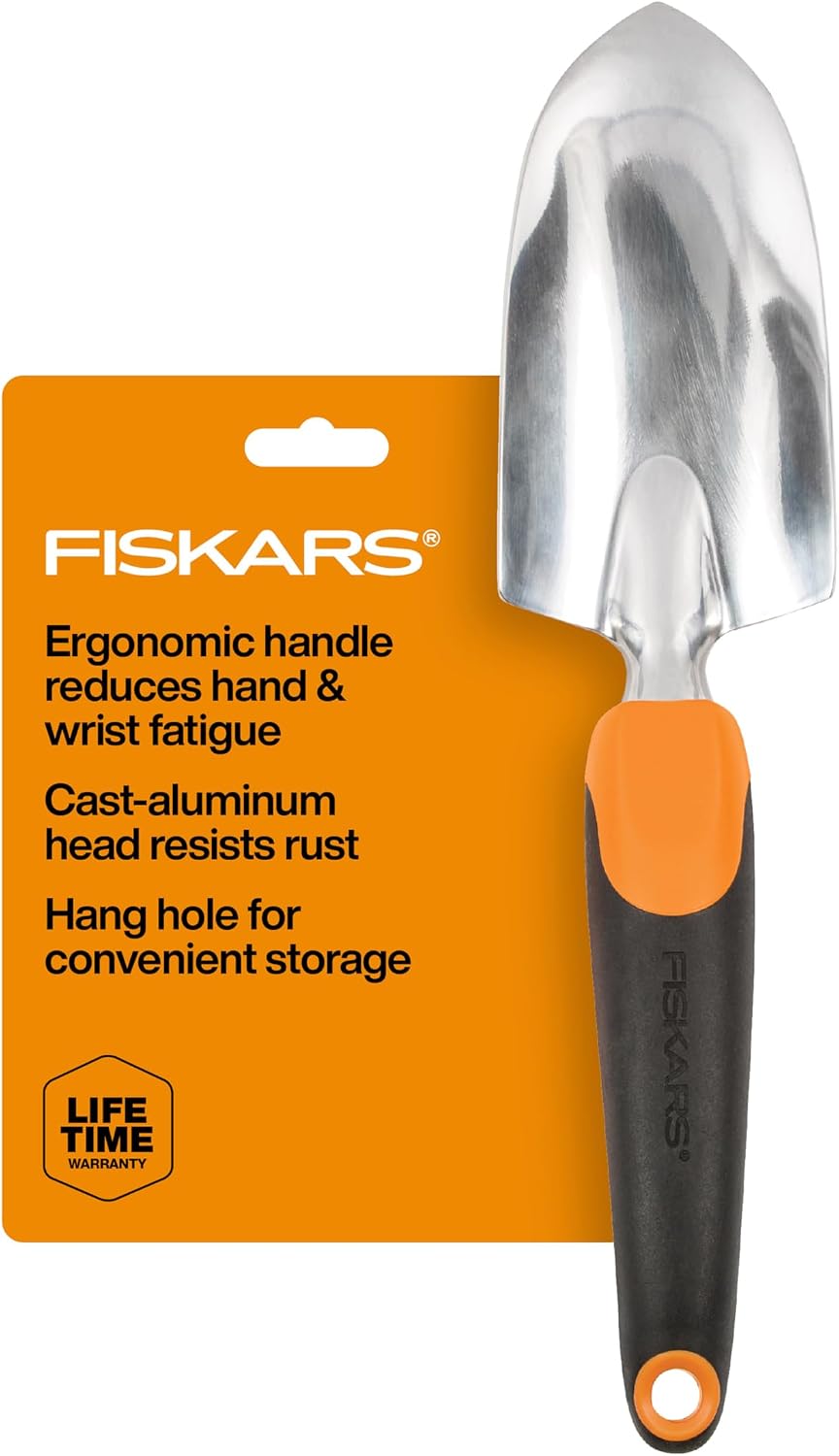
| Fiskars Ergo Garden Trowel | One-piece stainless steel, rust-resistant, Softgrip handle, hang hole for safe storage. | $10–$15 | Check Price → |
| Edward Tools Garden Trowel | Heavy-duty stainless steel, thick rubber grip, built-in depth marks for planting bulbs. | $8–$12 | Check Price → |
| Radius Garden Ergonomic Trowel | Narrow aluminum blade with rounded tip, oversized cushioned grip reduces hand fatigue. | $15–$20 | Check Price → |
📌 Top Hand Tools for Planting and Weeding in Raised Beds
For raised beds, short-handled tools give you the precision and control you need without stepping on loose soil. I reach for four types constantly: a depth-marked trowel, an ergonomic hand fork, a cobra-head weeder, and a dibber or planting ruler. Here are my current picks.
| Tool Type | Product Pick | Why It Works | Check Price |
|---|---|---|---|
| Hand trowel | Fiskars Ergo Garden Trowel | Depth markings and a soft, ergonomic handle make transplanting seedlings easier on your wrist. | Check Price → |
| Hand fork/cultivator | Fiskars Ergo Cultivator | Curved aluminum tines loosen the top few inches without slicing through shallow roots. | Check Price → |
| Cobra-head weeder | CobraHead Original Weeder | The curved steel blade slides under weeds in tight corners and along bed edges. | Check Price → |
| Dibber/planting ruler | Garden Dibber with Depth Marks | Pokes uniform holes at set depths for seeds and bulbs; pair with a ruler for spacing. | Check Price → |
A good hand fork and dibber together will handle most raised bed planting chores, while the cobra-head weeder saves your back in dense corners.
🔍 Best Ergonomic and Long-Handled Tools for Raised Beds
Raised beds put your soil roughly 12–30 inches off the ground, but that only helps if your tool handles match the height. I look for short D-handled shovels, stand-up weeders with real leverage, and padded or extendable grips that save your wrists and lower back. These are the ergonomic picks I’d buy again.
| Product | Why It Fits Raised Beds | Price Range | Check Price |
|---|---|---|---|
| Fiskars Ergo D-Handle Steel Shovel | Short 42-inch shaft with a D-grip; turns soil without overreaching or twisting your back. | $30–$40 | Check Price → |
| Fiskars 4-Claw Stand-Up Weeder | 39-inch handle and foot pedal; pulls deep weeds from a standing position, so you skip kneeling. | $35–$45 | Check Price → |
| Radius Garden Ergonomic Garden Hoe | Padded, non-slip curved grip reduces wrist fatigue when working tight rows or edges. | $40–$55 | Check Price → |
| Corona Extendable Handle Garden Tool Set | Telescoping handles adjust from 31 to 47 inches, so you can use them standing or kneeling. | $45–$70 | Check Price → |
Pair any of these with a padded kneeler or small trug, and your raised bed sessions will feel noticeably easier on your back and hands.
📌 Pet-Safe Gardening Tools and Non-Toxic Materials
Your hand tools can become a hidden hazard for a curious dog or cat. I always look for powder-coated or stainless steel finishes because they resist rust without the chemical dips and questionable paints you sometimes find on cheap imported metal. Flaking paint and unknown coatings are a no-go around pets that mouth everything.
Beyond the finish, the physical design matters just as much:
- Rounded corners and covered blades reduce the chance of a paw or nose getting sliced when tools are bumped or knocked off a shelf.
- Blade sheaths or locking guards are worth the extra few dollars. I keep them on every hoe, cultivator, and hand pruner when it’s not in use.
- Skip tools with loose small parts. Detachable plastic caps, tiny adjustment screws, and flimsy locking collars are exactly what a bored puppy will swallow before you notice it’s missing.
Storage is the last piece. A locked shed is ideal for sharp long-handled tools. If yours live in a garage or potting bench, mount a high wall rack and point blades toward the wall with guards on. It’s a simple habit that keeps everyone safer.
🔑 How to Maintain and Store Your Raised Bed Tools
Good raised bed tools are an investment. A few minutes of care after each session keeps trowels, hand forks, and pruners working like new for years.
Clean soil and sap off blades and tines after every use. I keep a stiff brush and a bucket of soapy water near my potting bench. For sticky sap on pruners or loppers, a little rubbing alcohol on a rag cuts through it fast. Dry metal thoroughly—moisture left on carbon steel leads to rust, and soil residue can harbor bacteria that spread disease between plants.
Oil wooden handles and metal joints two or three times per season. I use boiled linseed oil on ash or hickory handles to prevent cracking. A drop of household oil or camellia oil on pivot bolts and spring joints keeps the action smooth and stops squeaking.
Sharpen blades carefully with a carbide sharpener or fine file, following the original bevel. After sharpening, wipe blades with a rust-inhibiting spray or a light coat of mineral oil. Avoid heavy grease—it attracts dust and grit into moving parts.
Store tools off the floor. My favorite setups include:
- Wall-mounted racks with padded hooks for long-handled tools.
- Magnetic strips for hand tools like trowels and cultivators.
- Tool caddies with individual blade covers or sheaths.
I slide a piece of old garden hose over sharp edges as a cheap blade guard—it protects both the tool edge and curious pets.
🔍 FAQ: Best Gardening Tools for Raised Beds
What size tools are best for raised beds?
Short-handled hand tools work best because raised beds are narrow and usually no more than 4 feet wide. Look for trowels, forks, and cultivators with 6–12 inch handles. That gives you enough leverage for loose, amended soil without banging against bed sides or disturbing nearby plants.
Are stainless steel tools better than carbon steel for raised bed gardening?
Stainless steel resists rust and glides through moist raised bed soil, which is a real advantage if you garden near pets or leave tools outside briefly. Carbon steel holds a sharper edge but needs more oiling. I recommend stainless steel for everyday raised bed work and carbon steel for dedicated cutting tools like hori hori knives.
How do I keep my raised bed gardening tools pet-safe?
Rinse off any fertilizer, compost, or pest-control residue after each use, then dry thoroughly. Store tools out of paw reach in a closed bin or shed. Avoid chemical rust removers near garden beds; a mild vinegar soak and vegetable oil works fine and won’t harm curious noses.
Can I use long-handled tools in a raised bed?
Yes, but only if the bed is at least 3 feet wide and you have clear standing room. Long-handled hoes or rakes can reach the middle without stepping in. For narrow beds or tall raised planters, stick to hand tools to avoid knocking soil onto paths or hitting bed frames.
How often should I clean and oil my garden tools?
Wipe tools after every use and do a deeper clean once a month during the growing season. Sand wooden handles lightly, then apply boiled linseed oil. Metal heads get a thin coat of camellia oil or mineral oil after drying. This prevents rust and keeps edges from pitting.
What essential tools do I need to start a raised bed garden?
Start with a hand trowel, a cultivating fork, and a hori hori knife. A good starter set like the Fiskars Ergo Garden Tool Set covers planting, weeding, and soil loosening without buying pieces separately.
1 thought on “Best Gardening Tools for Raised Beds (2026 Buying Guide)”