
Figuring out how to store garden tools safely gets a lot more serious when a curious dog noses through the shed or a cat uses a rake handle as a scratching post. Sharp pruners, chemical fertilizers, and rusty blades aren’t just messy — they’re real hazards for pets.
I’ve reorganized my own tool corner twice after finding my dog sniffing around a bag of bone meal. The fix isn’t expensive bins or a complete garage remodel. It’s about separating sharp, toxic, and dirty tools into pet-safe zones and simple routines. Here’s what I’ve learned.
📌 Why Proper Garden Tool Storage Matters for Pet Owners
A rake left leaning against the fence or pruning shears forgotten on a patio cushion isn’t just messy—it’s a real hazard for a curious dog or cat. Sharp blades and pointed tines can cut paws, noses, or mouths in seconds. Fertilizers, weed killers, and even some plant foods contain ingredients that can make pets seriously ill if ingested or licked off fur.
Rust and clutter make things worse. A rusty trowel or dull pruning blade is more likely to slip or snag, and a disorganized pile hides hazards until someone steps on them. Moisture that causes rust also weakens wooden handles and metal joints, so you end up replacing tools more often.
A dedicated storage system changes the routine in three practical ways:
- Keeps sharp edges and chemicals out of paw’s reach
- Slows rust by keeping tools dry and off the ground
- Makes it easy to spot a missing tool before a pet finds it
When everything has a designated spot, you spend less time hunting for tools and more time actually gardening. That’s safer for your pets and easier on your wallet.
📌 Assessing Your Garden Tool Collection and Storage Space
Start by pulling every garden tool and supply out of its current hiding spot. You can’t create a safe storage plan if you don’t know exactly what you own. Count rakes, shovels, pruning shears, hoses, pots, bags of fertilizer, and even half-empty bottles of weed killer. This quick inventory usually reveals a few items you forgot about.
Next, sort everything by hazard level so pet safety drives your layout:
- Sharp tools — pruners, saws, edgers, shears, and anything with a blade or point.
- Chemicals — fertilizers, pesticides, herbicides, ice melt, and even organic plant foods that can upset a dog’s stomach.
- Electric gear — hedge trimmers, leaf blowers, string trimmers, extension cords, and their batteries or chargers.
- General items — gloves, twine, empty pots, and hand trowels that are lower risk but still need a home.
Now look at your available storage. A shed, garage, or outdoor closet each works, but consider pet access, ventilation, and dryness. Chemicals need a lockable cabinet or high shelf with airflow. Sharp tools should hang out of paw reach. Damp corners invite rust on metal blades.
Finally, plan zones based on use. Keep frequently used tools near the door or at eye level. Store seasonal items and hazardous chemicals up high or in a locked bin — away from curious noses. This zone system means you’ll grab what you need without leaving dangerous gear within reach of a pet.
📌 Pet-Safe Storage Solutions for Sharp and Chemical Tools
Sharp tools and garden chemicals are the two biggest hazards in any shed. A lockable metal or solid-wood cabinet with childproof magnetic latches is your first line of defense. Keep pruners, saws, utility knives, and shears inside, with blade guards on whenever possible.
For tools you grab often, mount wall racks, pegboards, or magnetic strips at least 5 feet above the floor. Most cats and dogs can’t reach that height, but a tall dog leaning against the wall still can. Store handles pointing inward and cover blade edges.
Three storage layers work best:
- Lockable floor cabinets for chemicals, fuels, and small sharp tools.
- Wall-mounted pegboards or magnetic strips placed high for shears, trowels, and pruners.
- Overhead hooks and ceiling racks with closed S-hooks for long-handled rakes and hoes.
Fertilizers, pesticides, and fuels need extra care. Store them in a ventilated, lockable bin or cabinet in a detached shed or garage. Keep liquids upright in original containers, away from heat and ignition sources. Even a tiny spill can be dangerous if a pet walks through it and then licks its paws.
A padlocked tool chest works well for razor blades, box cutters, and other small sharps. It’s cheap, simple, and keeps curious noses out.
📌 Rust-Free Organization: Cleaning, Drying, and Maintenance Storage
Rust starts when soil and moisture sit against metal. After each gardening session, knock off dirt clumps with a stiff brush, rinse the tool if needed, and dry it with a rag before putting it away. Even a little trapped moisture can cause pitting within a few days.
Oil metal parts right after drying. Food-grade mineral oil or raw linseed oil works well and is a safer choice in a pet household than harsh rust removers. Wipe on a thin coat, then buff off the excess so it doesn’t attract dust.
Inside enclosed storage, add a moisture absorber. Silica gel packets or a couple of plain chalk sticks placed in a toolbox or drawer pull humidity away from steel edges. Replace them every few months if your garage or shed runs damp.
- Sand-and-oil bucket: Fill a 5-gallon bucket with clean builder’s sand and mix in enough mineral oil to make it damp, not soaked. Plunge blade ends in and out. The sand scrubs lightly while the oil leaves a protective film. Keep a lid on the bucket so pets can’t reach oily sand.
- PVC tube holders: Cut PVC pipes to fit long handles and mount them vertically on a wall or workbench frame. Each tool gets its own sleeve, which separates sharp edges and keeps metal heads off damp floors.
A wall-mounted pegboard with rust-resistant hooks works well for drying and daily access. Space hooks by handle width, hang heavier tools lower, and add a drip tray or folded towel below to catch any lingering moisture.
📌 DIY and Budget-Friendly Garden Tool Storage Ideas for Pet Households
You don’t need a pricey storage system to keep sharp tools and chemicals away from curious paws. A few repurposed materials and basic hardware can do the job for under $50.
- Repurposed pallet rack: Sand a clean wood pallet, seal it with a pet-safe wood sealer, and mount it horizontally on a garage wall. Drive heavy-duty hooks into the slats to hang long-handled shovels, rakes, and hoes with blades facing the wall. Add two L-brackets at the bottom for a small shelf.
- Pegboard wall: Mount a 2×4-foot pegboard over wall studs, leaving a 1/2-inch gap behind it for hook clearance. Use curved pegboard hooks for hand tools, and hang anything sharp above waist height with the cutting edge turned inward.
- PVC pipe rack: Cut 3-inch-diameter PVC pipe into 14-inch sections. Screw each section to a wooden rail at a slight upward angle, then mount the rail to wall studs. Slide long handles down into the pipes—tools stay upright and out of tail-swing range.
- Hanging shoe organizer: A clear plastic over-the-door shoe organizer works well for small hand tools, twine, gloves, and seed packets. Slip pruners and snips into sheaths or fold-over leather guards before dropping them into pockets.
- Magnetic bars and latches: Screw a magnetic tool bar inside an existing cabinet or high on a wall to hold trowels, cultivators, and metal snips. For lower cabinets that store chemicals, add baby-proof magnetic latches—they’re inexpensive and strong enough to stop a determined dog or cat.
Elevate everything sharp or toxic. Use wall brackets, ceiling hooks, or a simple shelf at least 4 feet off the ground. Even a few stacked milk crates can raise a chemical bin above snout height. Never leave fertilizer, pesticides, or pruning tools on the floor, even for a few minutes.
📌 Seasonal Maintenance and Long-Term Storage Tips
Seasonal changes are when tools break down and pets find new hazards. A simple winterizing routine takes under an hour, yet it prevents rusted blades, dead batteries, and your dog chewing on a fuel can spout.
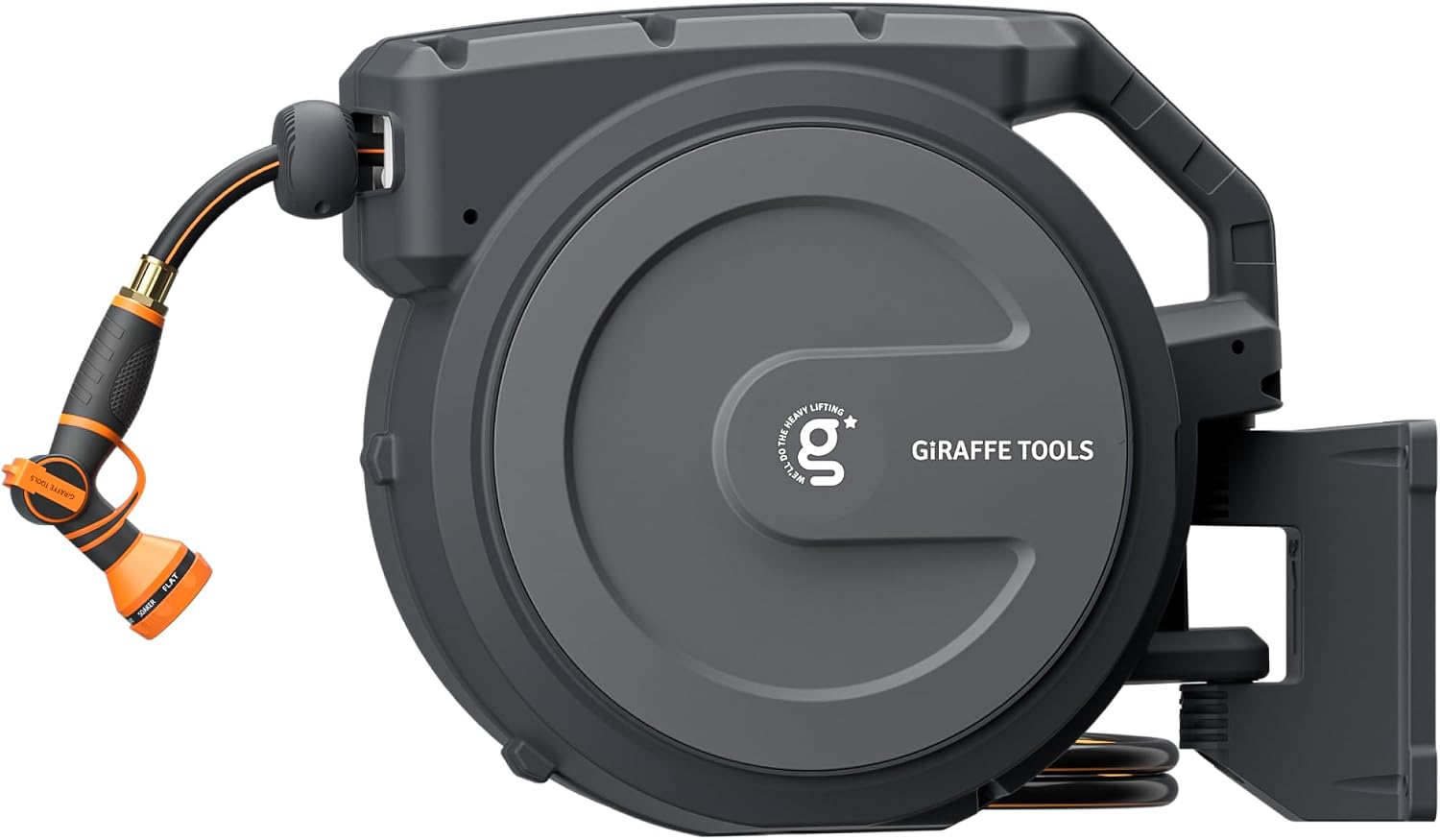
- Drain hoses completely and coil them on a wall rack above pet height. Trapped water freezes, expands, and cracks the lining.
- Remove batteries from cordless trimmers, blowers, and clippers. Cold storage makes them self-discharge and corrode terminals.
- Store fuel safely. Keep gas cans and oil bottles in a metal cabinet or on a high shelf with a latch — never on the floor where a curious nose can reach them.
- Empty and dry sprayers that held fertilizers, herbicides, or insecticides before winter.
Before packing tools away, sharpen blades and wipe metal surfaces with linseed or mineral oil. A thin oil film displaces moisture so rust can’t form during humid months. Wooden handles benefit from a coat of boiled linseed oil too.
Check stored tools every few months for rust, chewed cords, rodent nests, and damaged bin lids or shed locks. A cracked container or bent latch is an open invitation for a curious cat or determined dog.
Finally, rotate seasonal gear. Keep ice scrapers and snow shovels accessible by the door, but move pruning saws and hedge trimmers back into locked cabinets. High-use items stay within reach; sharp hazards stay secured.
🔑 FAQ: How to Store Garden Tools Safely Around Pets
How do I store garden tools so pets can’t reach them?
Keep sharp tools in a locked shed, cabinet, or wall-mounted rack above shoulder height. Don’t lean rakes or hoes against walls where a wagging tail can knock them over. For small hand tools, use a closed toolbox or latching bin.
Can I store garden tools outside in winter without rusting?
Bare metal won’t survive moisture and freeze-thaw cycles. If you must store outside, clean and dry tools first, then coat metal with linseed or mineral oil. Use a covered rack and keep blades off the ground. A dry shed or garage is always safer.
What is the best way to organize small hand tools in a shed?
A pegboard with labeled hooks or a wall-mounted magnetic strip works well for trowels and pruners. Store blades facing inward. Use small bins or drawer dividers for gloves, twine, and seed packets so they don’t become dog chew toys.
How do I store garden chemicals safely around pets?
Keep fertilizers, herbicides, and pesticides in their original containers inside a locked cabinet, ideally above 4 feet. Never transfer them to food containers. Store away from pet food and water, and use sealed bins for granular products to prevent spills.
How often should I clean and oil garden tools?
Wipe soil off after every use. Do a deeper clean and oil at least once per season, or before winter storage. For tools that touch sap or wet soil, oil monthly during heavy use with a rag dipped in mineral oil.
Are magnetic tool strips safe to use around pets?
Yes, if mounted above tail height and tools are secure. Avoid overcrowding so sharp blades can’t fall. Don’t mount strips near pet beds or feeding stations. For climbing cats, choose a covered cabinet instead.
1 thought on “How to Store Garden Tools Safely: A Pet-Friendly 2026 Guide”